An Off-Grid Solar System, also known as a standalone solar power system, is a self-sufficient energy solution that generates, stores, and utilizes solar energy without relying on the electricity grid. This type of solar system is ideal for locations where access to the national grid is unavailable or unreliable, such as remote rural areas, cabins, or locations in developing countries. Off-grid systems provide electricity for homes, businesses, or specific applications like water pumping, street lighting, and more, by using solar panels to generate energy and batteries to store excess power for use during the night or cloudy days.
Key Components of an Off-Grid Solar System:
1 Solar Panels (Photovoltaic Panels):
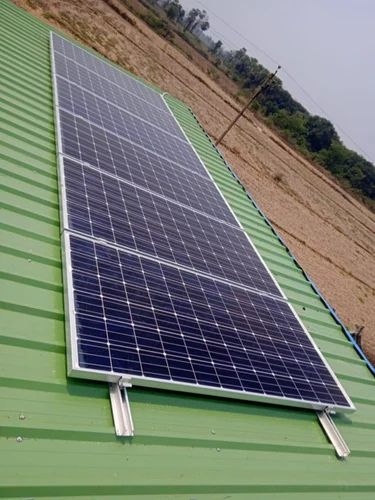
Function: Solar panels capture sunlight and convert it into direct current (DC) electricity through the photovoltaic effect.
Panel Types: There are different types of panels such as monocrystalline, polycrystalline, and thin-film, with varying levels of efficiency and cost.
Capacity: The number and capacity of panels required depend on the total energy consumption of the household or facility. Typically, a higher number of panels are needed to generate enough power for off-grid use.
2 Charge Controller:
Function: The charge controller regulates the flow of electricity from the solar panels to the battery bank. It prevents overcharging or deep discharge of the batteries, which could shorten their lifespan or cause damage.
Types: There are two main types of charge controllers:
PWM (Pulse Width Modulation): Suitable for smaller systems, it efficiently controls the charging of the battery.
MPPT (Maximum Power Point Tracking): More efficient for larger systems, MPPT controllers maximize the power output from the solar panels by adjusting the voltage and current according to environmental conditions.
3 Batteries (Energy Storage):
Function: Batteries store excess electricity generated during the day for use at night or during periods of low sunlight.
Types: Common battery types used in off-grid systems include lead-acid, lithium-ion, and gel batteries, each with varying capacities, lifespans, and costs.
Sizing: The battery bank size depends on the system’s energy needs and how many hours of backup are desired. Larger battery banks are typically needed to support continuous power supply for extended periods without sunlight.
4 Inverter:
Function: The inverter converts the DC electricity stored in the batteries or generated by the solar panels into alternating current (AC), which is used to power standard appliances and devices in homes or businesses.
We are Wholesaler and Service Provider of Off Grid Solar System in Vijayawada, Andhra Pradesh
Order Now
Kindly fill in the details below & our team will connect with you soon.

 Call Support: +91-8500125888